I help pharmaceutical and biotech R&D organizations make better technology
decisions, connect scientific data, and build practical foundations for
AI-enabled research.
Scientific organizations rarely need more technology. They need the right technology to work together.
R&D technology decisions sit between scientific requirements, enterprise
architecture, vendors, data, and the realities of how researchers actually work.
I bring those perspectives together to turn ambiguous problems into practical
roadmaps and executable decisions.
CAPABILITIES
Where I can help
01
Scientific Informatics
Connect laboratory systems, scientific workflows, data, and analytics so
researchers can spend less time managing information and more time using it.
ELN / LIMS / registry / inventory integration
Scientific data architecture and governance
Laboratory and discovery workflow design
02
R&D Technology Strategy
Translate scientific priorities into technology roadmaps, investment choices,
operating models, and implementation plans.
Technology and vendor evaluation
Target operating models and roadmaps
Business cases and investment governance
03
AI & Data Strategy
Build the data and knowledge foundations required for useful, governed AI in
scientific and R&D environments.
AI readiness and scientific data strategy
Knowledge management and RAG
Practical AI adoption and pilot design
SELECTED EXPERIENCE
Built at the intersection of science and technology.
More than two decades across molecular biology, bioinformatics, discovery
informatics, laboratory technology, data platforms, and R&D transformation.
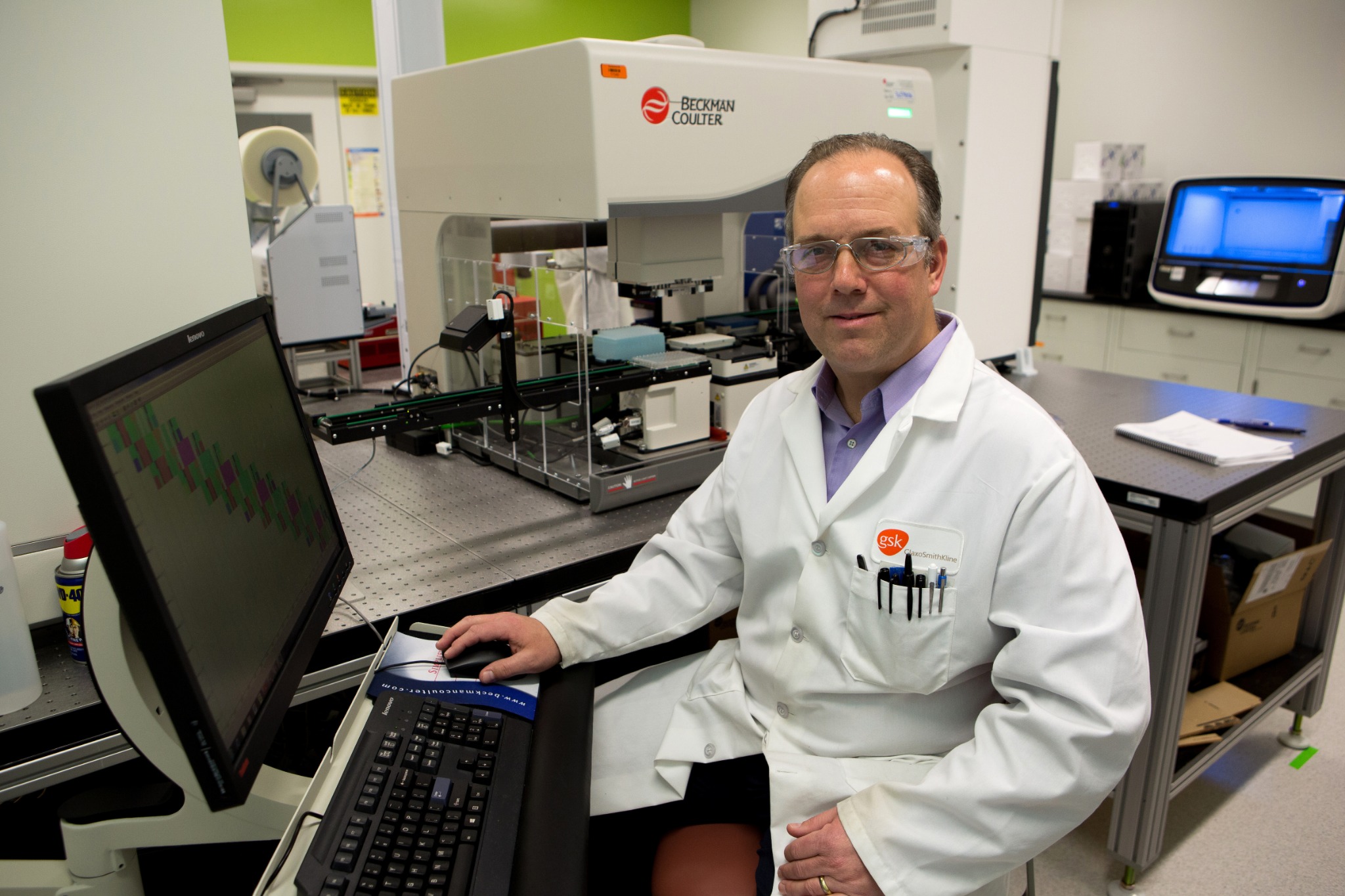
My advisory perspective began at the bench and evolved through high-throughput screening, laboratory automation, NGS workflows, and scientific computing. That experience shapes how I evaluate laboratory systems: from the scientist and workflow outward.
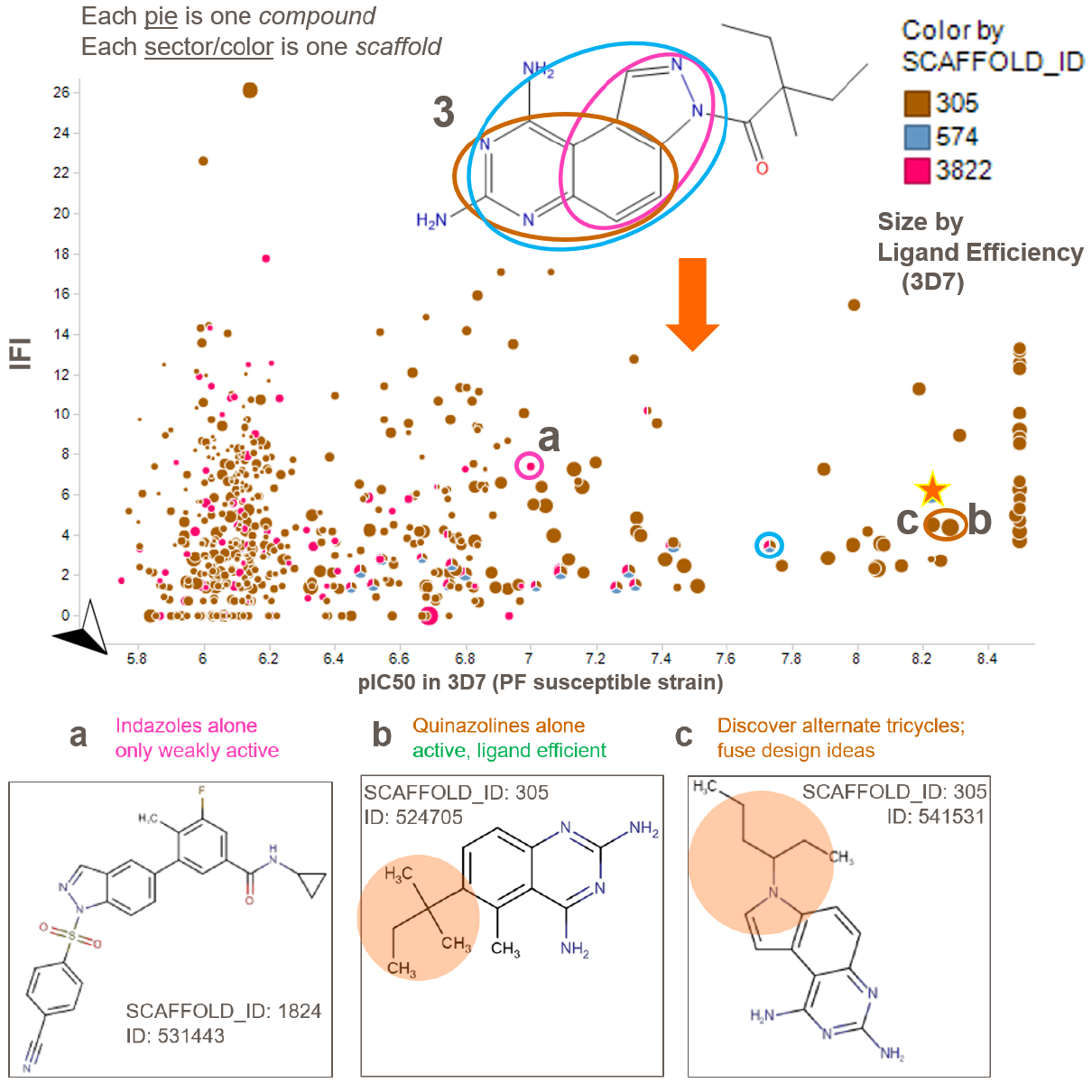
Scientific informatics connects data, analytics, and machine learning to scientific decisions. In one example, scaffold-based visualization was used to compare results across fragment-based biochemical screening, high-throughput biochemical screening of two million compounds, and DNA-encoded library screening. Bringing these complementary screening approaches together helped researchers explore structure–activity relationships and prioritize chemical series.
My approach spans the full scientific information lifecycle: capturing experimental context, connecting laboratory systems, harmonizing data and metadata, and making results accessible for analysis. It combines an understanding of assays and workflows with data architecture, visualization, and the foundations needed for useful machine learning—so scientists can compare evidence, trace results to their source, and make informed decisions.
This perspective informs my approach to integrated scientific systems and workflows at scale.
MODERN LABORATORY TECHNOLOGY
NGS Workflow Transformation
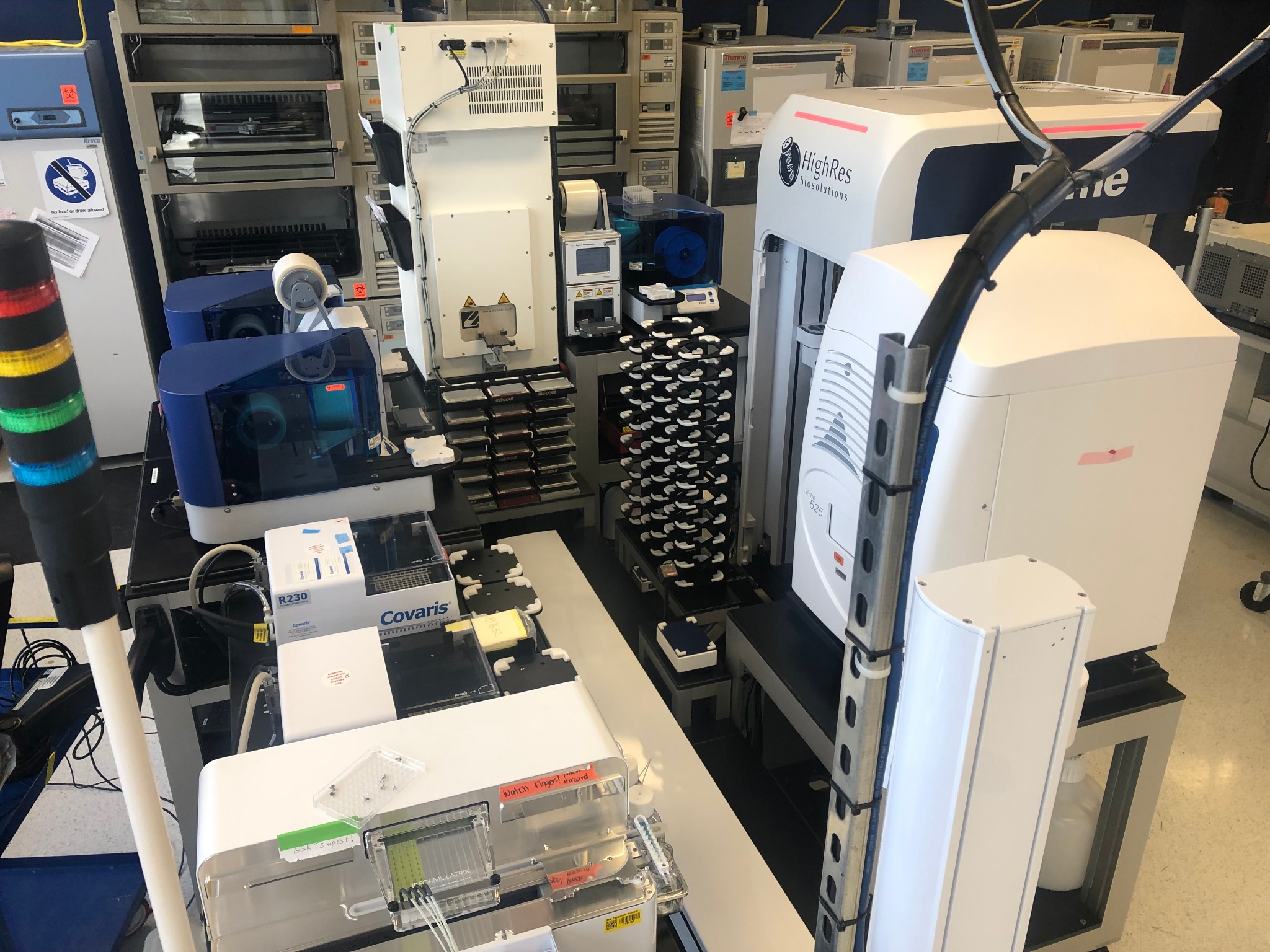
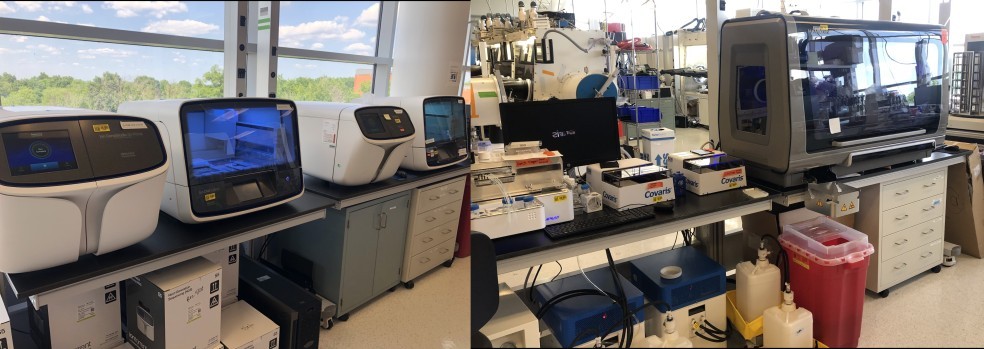
Modernizing NGS workflows requires practical knowledge of automation capabilities, liquid handling limitations, and assay scaling constraints. It also requires integrating instruments, workflows, and scientific data to build AI-ready data pipelines from discovery platforms.
My work bridges laboratory experience and R&D technology leadership, grounding transformation decisions in the realities of research. Across the systems I have built or rebuilt, my focus has been consistent: simplify scientists’ daily work while embedding ALCOA+ data integrity and FAIR data principles into the design.
These integrated workflows provide a foundation for lab-in-the-loop research where experimental results inform computational models and model outputs guide subsequent experiments.
20KNGS libraries characterized weekly
78%assay cost reduction in one platform transformation
$1.1M → $90Kannual operating cost through technology portfolio governance
DISCOVERY
DNA-encoded library screening, phenotypic screening, biochemical and fragment workflows, SAR analytics, and decision support.
DIGITAL LAB
ELN, LIMS, laboratory automation, NGS, analytical workflows, sample management, and integrated research data.
DATA & AI
Scientific data pipelines, metadata and governance, model-ready datasets, advanced analytics, GenAI, and RAG strategy.
ABOUT GENARO · PRINCIPAL
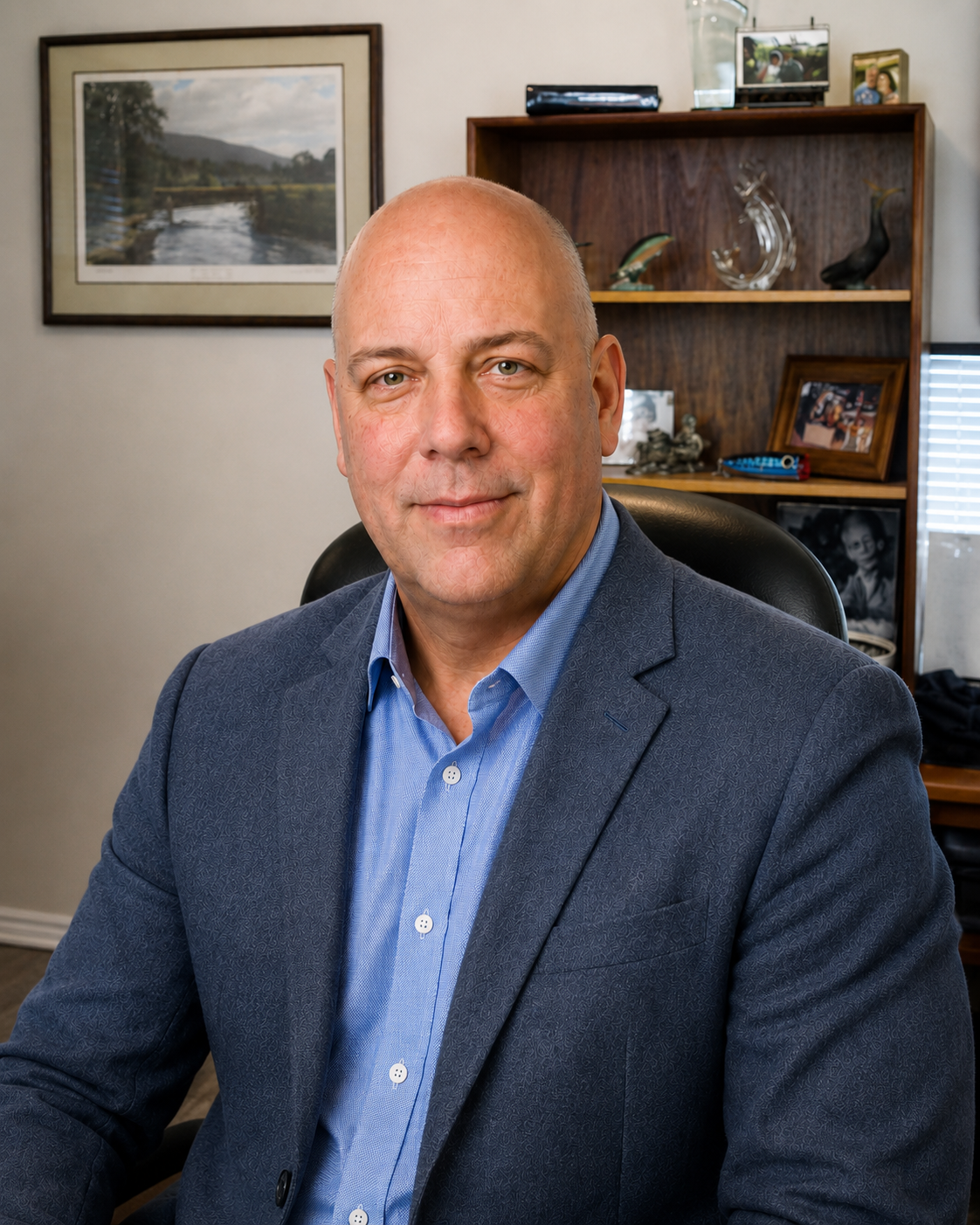
Genaro S. Scavello Jr.
Scientific credibility first. Technology in service of the work.
My career began in molecular biology and bioinformatics and evolved through
discovery research, laboratory automation, scientific data platforms, and
technology leadership. Today, as an independent advisor, I bring that
progression to the technology decisions facing life-science R&D organizations.
That background matters because technology strategy in R&D is not an
abstract IT exercise. The useful answer has to survive contact with the
scientist, the assay, the workflow, the data, and the organization.